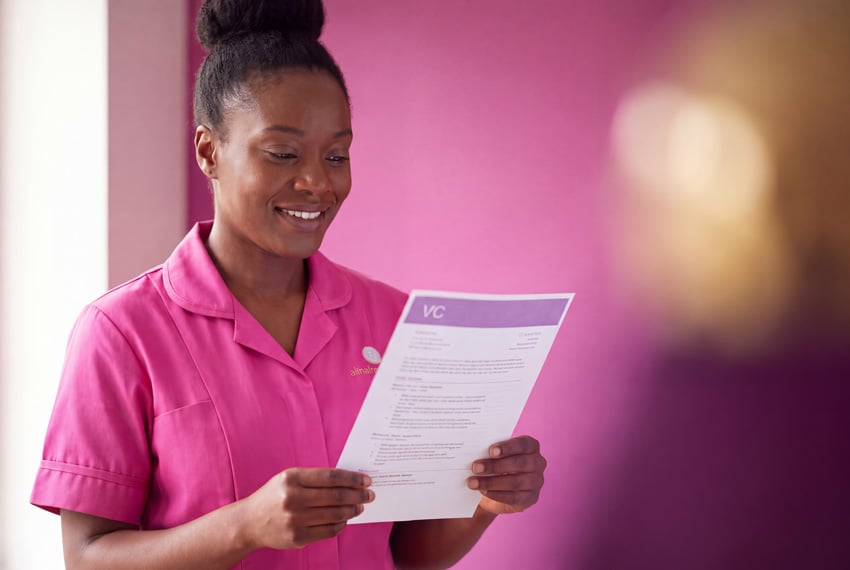
A care career that fits around you
We know life is busy. That's why we offer:
- Working patterns to suit you
- Flexible hours
- Meaningful work every day
Click below to apply now!
Apply now
At Alina Homecare our Care Assistants are Care Support Workers. They visit people in their own homes and help with the everyday things, from a wash and breakfast to a chat over a cup of tea. This is what the job is really like, and how to get started if you’ve never worked in care.
Pay is up to £17.50 an hour* and full training is paid.
*Pay varies by location. “Up to” is the highest hourly rate on our current adverts.
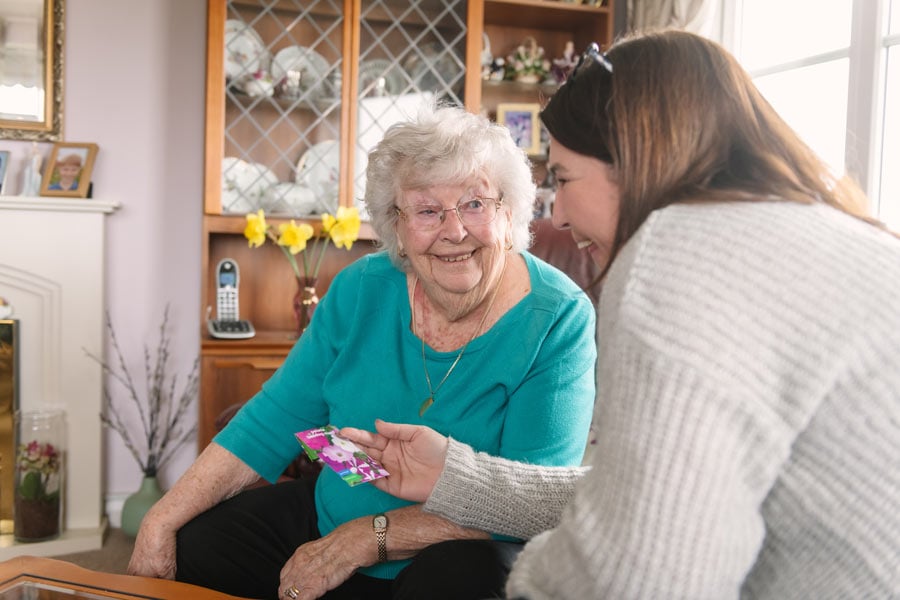
A Support Worker helps people who need extra support to live as independently as possible. Day to day that means personal care, medication reminders, help with mobility and meals, keeping the home safe and offering companionship, always in a way that respects the person’s choices and dignity.
A Support Worker, sometimes called a Care Support Worker, Care Worker or Care Assistant, supports older people and adults with disabilities or long term conditions to live the life they want. The aim isn’t to do everything for someone. It’s to help them do as much as they can for themselves, safely and with confidence.
Support Workers work in lots of settings, from supported living services to residential homes. At Alina Homecare our Care Assistants are Care Support Workers who support people in their own homes, either through visits during the day (Home Care) or by living with a client (Live-in Care). Many of the people we support are living with dementia, so you’ll also learn how dementia care at home works.
Did you know? In England, the government’s Care Workforce Pathway groups care and support roles into one category, “care or support worker”, because the knowledge, skills and values they need are the same.
No two days are the same, because every person you support has different needs and interests. These are the core responsibilities you’ll find in most Support Worker roles:
Supporting washing, bathing, dressing, oral care and using the toilet, with privacy and dignity.
Prompting and reminders, collecting prescriptions and recording what has been taken, as set out in the care plan.
Helping people move around safely, including transfers and using equipment you’ve been trained on.
Preparing meals and drinks that suit someone’s tastes and dietary needs, and helping with eating if needed.
Light cleaning, laundry and tidying so the home stays safe, comfortable and just how they like it.
A friendly face and a listening ear, sharing hobbies and conversation to help prevent loneliness.
Supporting trips to appointments, the shops or community activities so people stay connected.
Writing clear care notes and raising any changes or safeguarding concerns with your Team.
“The main responsibility is to ensure the needs of the client are met. Not only do we assist with daily tasks within the home, we also provide valuable emotional support and companionship, offering a friendly chat and being there to listen.”

Become a Care Support Worker with Alina Homecare. No experience needed, full training given.
In Home Care, your day is made up of visits to different people in your local area. Here’s what a typical day could look like:
Helping people get up, washed and dressed, preparing a nutritious breakfast and prompting morning medication.
Preparing lunch, encouraging drinks to keep people hydrated and checking how they’re feeling.
Companionship visits, a walk or trip to the shops, support to attend appointments and help with laundry or tidying.
Preparing dinner, evening medication, help getting ready for bed and making sure the person feels safe and has everything they need.
You’ll see these job titles used interchangeably, and the day to day work overlaps a lot. The difference is mostly in emphasis and setting:
| Care Assistant / Carer | Support Worker | |
|---|---|---|
| Main focus | Personal care and daily tasks | Independence, goals and community life |
| Who you support | Often older people | Older people and adults with disabilities, mental health needs or long term conditions |
| Typical settings | Home Care, Live-in Care, care homes | Supported living, Home Care, residential services |
| Experience needed | None, full training given | None, full training given |
| Government category | Both sit in the “care or support worker” role category | |
At Alina Homecare, our Care Assistants do both. You’ll provide personal care where it’s needed, but always with the goal of helping people keep their independence at home.
Most Support Worker job descriptions follow a similar structure. Here’s an example based on our Care Support Worker roles:
To deliver person centred care and support that helps clients live safely and independently in their own homes, with dignity and choice.
Bring the right attitude and we’ll teach you the rest. The best Support Workers are:
Want to know more? Read our guide to the 20 skills and qualities of a great Care Assistant.
No. You don’t need any qualifications or previous experience to become a Care Support Worker at Alina Homecare. You’ll need:
When you start, our Alina Homecare Academy gives you full training, including the Care Certificate, the national induction standard for new care workers. Later, you can work towards qualifications such as a Level 2 or Level 3 Diploma in Adult Care.
Pay varies by employer, location and shift pattern. At Alina Homecare we offer competitive hourly rates with enhanced pay for weekends and bank holidays, plus paid mileage, paid holiday, a pension and staff discounts. Check our live vacancies for pay in your area.
Support work can be the start of a long career in care. With experience and training, you could move into:
“No two days are the same as a Care Assistant at Alina Homecare! I feel supported by my Manager and the Team and I’m proud to be making a positive difference in people’s lives.”
“I like that I can give all my focus and attention to one client at a time. I also love the feeling of independence. I get to experience different surroundings every day.”
Personal care such as washing and dressing, medication support, help with mobility, preparing meals and keeping the home safe and tidy, and companionship that helps prevent loneliness. Support Workers also keep accurate care notes and report any concerns.
The roles overlap heavily. A carer or Care Assistant usually focuses on personal care and daily tasks, while support work also emphasises independence, goals and community life. In England the government’s Care Workforce Pathway puts both in the same “care or support worker” role category.
Yes. Many employers, including Alina Homecare, train new starters from scratch. You’ll usually complete the Care Certificate during your induction and need an enhanced DBS check and the right to work in the UK.
Empathy, patience, reliability, good communication and respect for people’s dignity and choices. Being calm under pressure and observant enough to notice changes in someone’s health or mood also matter.
Skills for Care reported a median hourly rate of £12.60 for care workers in England’s independent sector in December 2025. The National Living Wage rose to £12.71 an hour in April 2026. At Alina Homecare, Care Support Workers can earn up to £17.50 an hour depending on location. Pay varies by employer, location and shift pattern.
Support Workers should only carry out tasks they’ve been trained and assessed for and that are in the person’s care plan. Clinical tasks such as injections aren’t part of the role unless properly delegated and trained. They must also follow policies on confidentiality, safeguarding and handling money.